McDewey
/mcpPage 1011
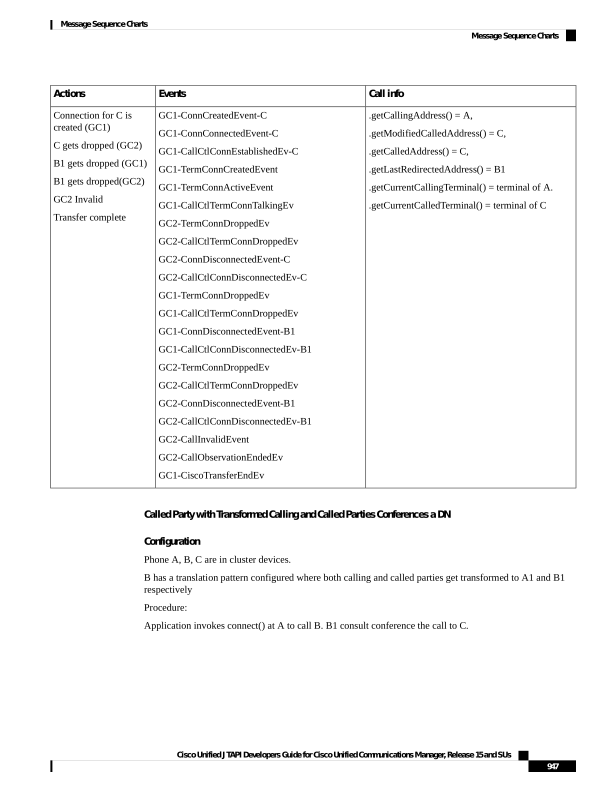
↗ View in doc contextCall info Events Actions .getCallingAddress() = A, .getModifiedCalledAddress() = C, .getCalledAddress() = C, .getLastRedirectedAddress() = B1 .getCurrentCallingTerminal() = terminal of A. .getCurrentCalledTerminal() = terminal of C GC1-ConnCreatedEvent-C GC1-ConnConnectedEvent-C GC1-CallCtlConnEstablishedEv-C GC1-TermConnCreatedEvent GC1-TermConnActiveEvent GC1-CallCtlTermConnTalkingEv GC2-TermConnDroppedEv GC2-CallCtlTermConnDroppedEv GC2-ConnDisconnectedEvent-C GC2-CallCtlConnDisconnectedEv-C GC1-TermConnDroppedEv GC1-CallCtlTermConnDroppedEv GC1-ConnDisconnectedEvent-B1 GC1-CallCtlConnDisconnectedEv-B1 GC2-TermConnDroppedEv GC2-CallCtlTermConnDroppedEv GC2-ConnDisconnectedEvent-B1 GC2-CallCtlConnDisconnectedEv-B1 GC2-CallInvalidEvent GC2-CallObservationEndedEv GC1-CiscoTransferEndEv Connection for C is created (GC1) C gets dropped (GC2) B1 gets dropped (GC1) B1 gets dropped(GC2) GC2 Invalid Transfer complete Called Party with Transformed Calling and Called Parties Conferences a DN Configuration Phone A, B, C are in cluster devices. B has a translation pattern configured where both calling and called parties get transformed to A1 and B1 respectively Procedure: Application invokes connect() at A to call B. B1 consult conference the call to C. Cisco Unified JTAPI Developers Guide for Cisco Unified Communications Manager, Release 15 and SUs 947 Message Sequence Charts Message Sequence Charts