McDewey
/mcpPage 1173
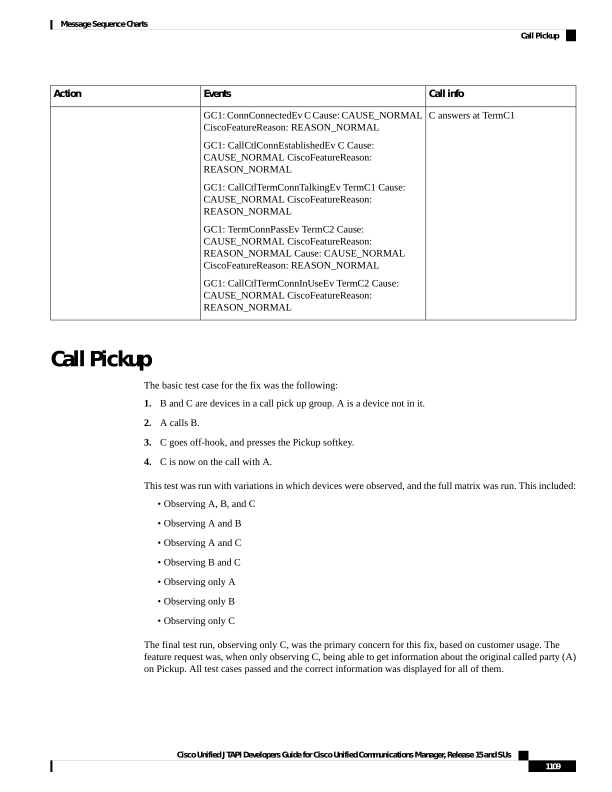
↗ View in doc contextCall info Events Action C answers at TermC1 GC1: ConnConnectedEv C Cause: CAUSE_NORMAL CiscoFeatureReason: REASON_NORMAL GC1: CallCtlConnEstablishedEv C Cause: CAUSE_NORMAL CiscoFeatureReason: REASON_NORMAL GC1: CallCtlTermConnTalkingEv TermC1 Cause: CAUSE_NORMAL CiscoFeatureReason: REASON_NORMAL GC1: TermConnPassEv TermC2 Cause: CAUSE_NORMAL CiscoFeatureReason: REASON_NORMAL Cause: CAUSE_NORMAL CiscoFeatureReason: REASON_NORMAL GC1: CallCtlTermConnInUseEv TermC2 Cause: CAUSE_NORMAL CiscoFeatureReason: REASON_NORMAL Call Pickup The basic test case for the fix was the following: 1. B and C are devices in a call pick up group. A is a device not in it. 2. A calls B. 3. C goes off-hook, and presses the Pickup softkey. 4. C is now on the call with A. This test was run with variations in which devices were observed, and the full matrix was run. This included: • Observing A, B, and C • Observing A and B • Observing A and C • Observing B and C • Observing only A • Observing only B • Observing only C The final test run, observing only C, was the primary concern for this fix, based on customer usage. The feature request was, when only observing C, being able to get information about the original called party (A) on Pickup. All test cases passed and the correct information was displayed for all of them. Cisco Unified JTAPI Developers Guide for Cisco Unified Communications Manager, Release 15 and SUs 1109 Message Sequence Charts Call Pickup