McDewey
/mcpPage 185
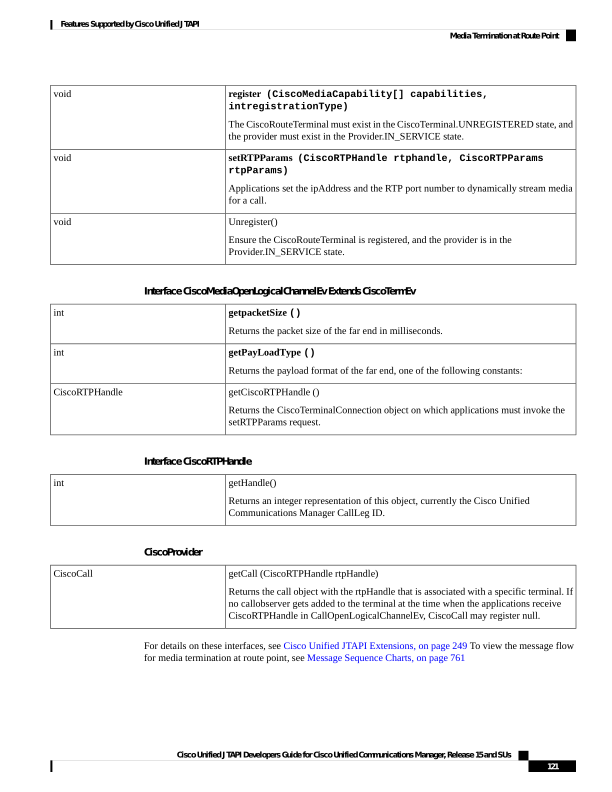
↗ View in doc contextregister (CiscoMediaCapability[] capabilities, intregistrationType) The CiscoRouteTerminal must exist in the CiscoTerminal.UNREGISTERED state, and the provider must exist in the Provider.IN_SERVICE state. void setRTPParams (CiscoRTPHandle rtphandle, CiscoRTPParams rtpParams) Applications set the ipAddress and the RTP port number to dynamically stream media for a call. void Unregister() Ensure the CiscoRouteTerminal is registered, and the provider is in the Provider.IN_SERVICE state. void Interface CiscoMediaOpenLogicalChannelEv Extends CiscoTermEv getpacketSize () Returns the packet size of the far end in milliseconds. int getPayLoadType () Returns the payload format of the far end, one of the following constants: int getCiscoRTPHandle () Returns the CiscoTerminalConnection object on which applications must invoke the setRTPParams request. CiscoRTPHandle Interface CiscoRTPHandle getHandle() Returns an integer representation of this object, currently the Cisco Unified Communications Manager CallLeg ID. int CiscoProvider getCall (CiscoRTPHandle rtpHandle) Returns the call object with the rtpHandle that is associated with a specific terminal. If no callobserver gets added to the terminal at the time when the applications receive CiscoRTPHandle in CallOpenLogicalChannelEv, CiscoCall may register null. CiscoCall For details on these interfaces, see Cisco Unified JTAPI Extensions, on page 249 To view the message flow for media termination at route point, see Message Sequence Charts, on page 761 Cisco Unified JTAPI Developers Guide for Cisco Unified Communications Manager, Release 15 and SUs 121 Features Supported by Cisco Unified JTAPI Media Termination at Route Point