McDewey
/mcpPage 198
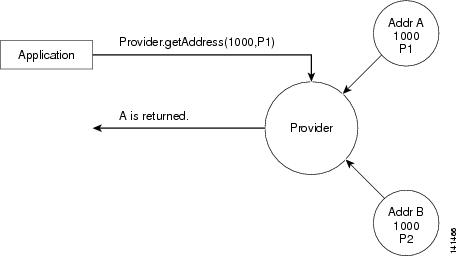
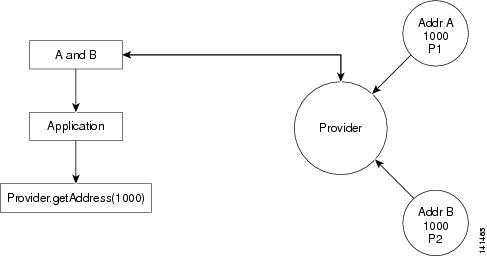
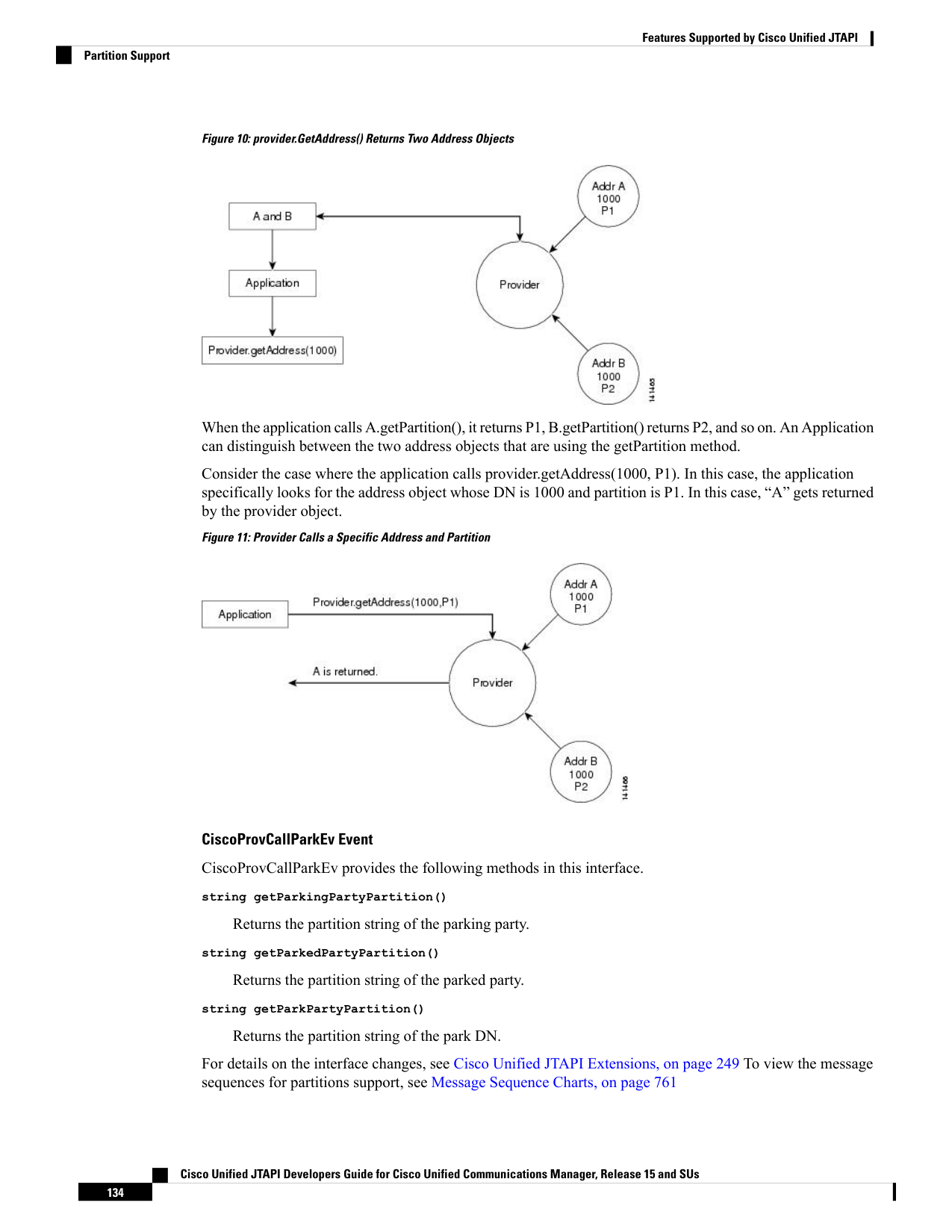
↗ View in doc contextFigure 10: provider.GetAddress() Returns Two Address Objects When the application calls A.getPartition(), it returns P1, B.getPartition() returns P2, and so on. An Application can distinguish between the two address objects that are using the getPartition method. Consider the case where the application calls provider.getAddress(1000, P1). In this case, the application specifically looks for the address object whose DN is 1000 and partition is P1. In this case, “A” gets returned by the provider object. Figure 11: Provider Calls a Specific Address and Partition CiscoProvCallParkEv Event CiscoProvCallParkEv provides the following methods in this interface. string getParkingPartyPartition() Returns the partition string of the parking party. string getParkedPartyPartition() Returns the partition string of the parked party. string getParkPartyPartition() Returns the partition string of the park DN. For details on the interface changes, see Cisco Unified JTAPI Extensions, on page 249 To view the message sequences for partitions support, see Message Sequence Charts, on page 761 Cisco Unified JTAPI Developers Guide for Cisco Unified Communications Manager, Release 15 and SUs 134 Features Supported by Cisco Unified JTAPI Partition Support