McDewey
/mcpPage 207
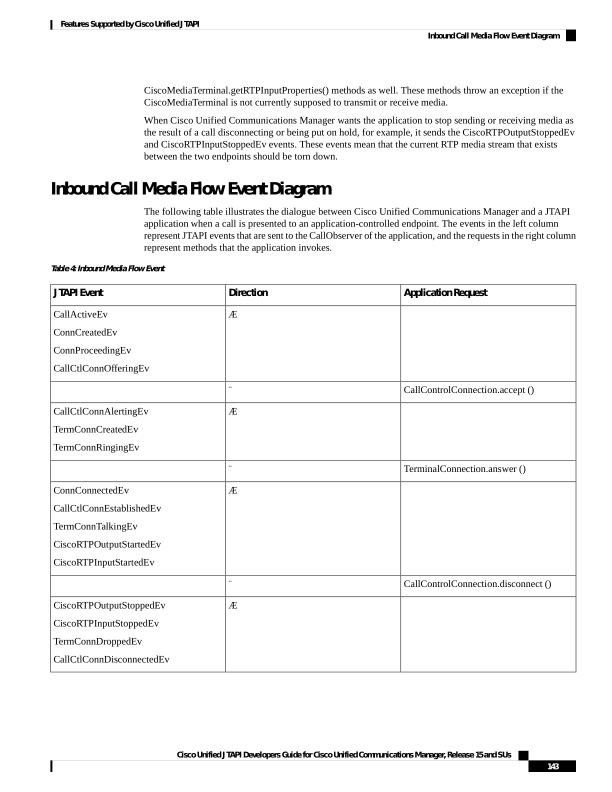
↗ View in doc contextCiscoMediaTerminal.getRTPInputProperties() methods as well. These methods throw an exception if the CiscoMediaTerminal is not currently supposed to transmit or receive media. When Cisco Unified Communications Manager wants the application to stop sending or receiving media as the result of a call disconnecting or being put on hold, for example, it sends the CiscoRTPOutputStoppedEv and CiscoRTPInputStoppedEv events. These events mean that the current RTP media stream that exists between the two endpoints should be torn down. Inbound Call Media Flow Event Diagram The following table illustrates the dialogue between Cisco Unified Communications Manager and a JTAPI application when a call is presented to an application-controlled endpoint. The events in the left column represent JTAPI events that are sent to the CallObserver of the application, and the requests in the right column represent methods that the application invokes. Table 4: Inbound Media Flow Event Application Request Direction JTAPI Event Æ CallActiveEv ConnCreatedEv ConnProceedingEv CallCtlConnOfferingEv CallControlConnection.accept () ¨ Æ CallCtlConnAlertingEv TermConnCreatedEv TermConnRingingEv TerminalConnection.answer () ¨ Æ ConnConnectedEv CallCtlConnEstablishedEv TermConnTalkingEv CiscoRTPOutputStartedEv CiscoRTPInputStartedEv CallControlConnection.disconnect () ¨ Æ CiscoRTPOutputStoppedEv CiscoRTPInputStoppedEv TermConnDroppedEv CallCtlConnDisconnectedEv Cisco Unified JTAPI Developers Guide for Cisco Unified Communications Manager, Release 15 and SUs 143 Features Supported by Cisco Unified JTAPI Inbound Call Media Flow Event Diagram